
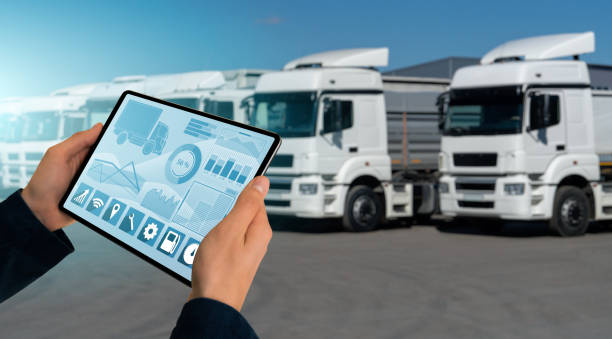
Imagine reducing your fleet operation costs by over 20% just by changing how you manage your vehicles. Sounds impossible, right? Yet, with the proper fleet management tools, countless companies are doing just that.
In today's fast-paced world, optimizing transportation isn't just about speed; it's about precision and cost-effectiveness. Knowing exactly where every vehicle is, utilizing resources efficiently, and cutting unnecessary expenses is crucial now more than ever. Fleet management solutions are transforming businesses worldwide.
Did you know that improper fleet management can lead to a backup of delivery schedules, resulting in customer dissatisfaction and a dip in profits? It's startling how many businesses overlook the importance of real-time tracking and data analysis. However, that's not even the wildest part…
Integrating AI into fleet management might just be the game-changer no one saw coming. With advances in machine learning, businesses can predict vehicle issues before they lead to costly repairs. But what's truly fascinating is another breakthrough that's turning heads. What happens next shocked even the experts…
Fleet management isn't just about tracking vehicles; it's also about aligning resources in ways you might not expect. Many companies are discovering that a mere shift in routing paths can lead to substantial savings on fuel costs. This detail often goes unnoticed, yet it can slash expenditures by thousands annually.
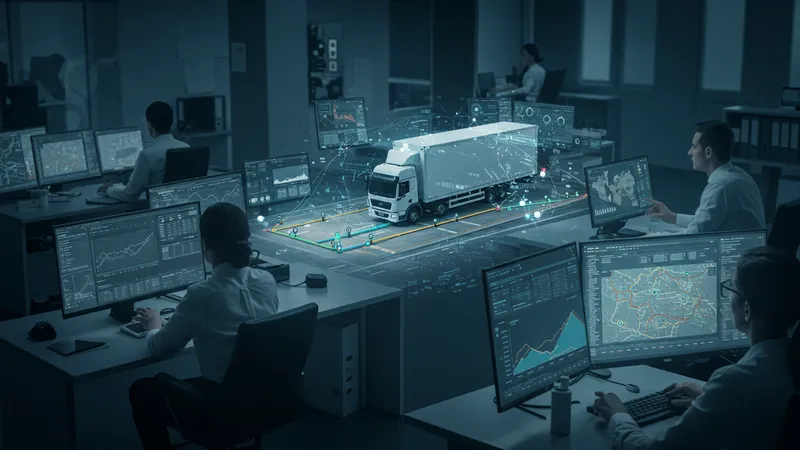
By analyzing data from previous routes, managers can tweak schedules to bypass traffic congestion, resulting in less idling time and more punctual deliveries. These small adjustments can seem trivial, but the cumulative effects are, indeed, astounding. But there's one more twist…
Reducing the number of unnecessary stops dramatically extends vehicle lifespan. Fewer stops mean less wear and tear, leading to reduced maintenance requirements and ultimately, lower operation costs. It's a strategy that's beginning to catch on, and for a good reason. What you read next might change how you see this forever.
Furthermore, savvy fleet managers leverage telematics technologies for minute-by-minute updates about their vehicles. This real-time data access offers insights into driver behavior, leading to targeted training programs that enhance safety and efficiency. Yet, these efforts are just scratching the surface of what's possible…
Fleet efficiency extends beyond machines; it deeply involves the well-being of your drivers too. Burnout is a silent killer in transportation industries, leading to human error and accidents. Therefore, investing in driver wellness programs isn't an expense—it's a long-term cost-saving strategy.
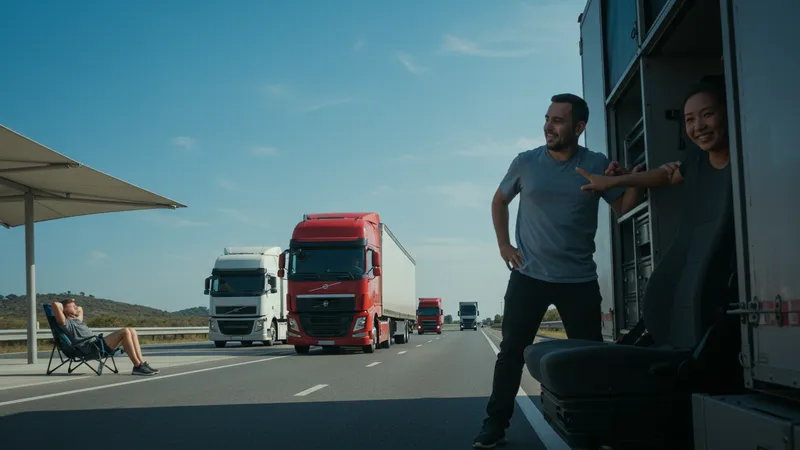
Happy drivers are more productive drivers. By implementing regular rest breaks, offering accommodations for long-distance travel, and maintaining a roster rotation system, companies can significantly enhance driver performance and safety. This approach is a rising trend with substantial results. But you won't believe what's next…
Fatigue-related accidents cost the industry billions annually. Simple initiatives like in-cab alerts for drowsy drivers help avert these incidents, translating to saved lives and money. Modern fleet solutions integrating such features are drawing attention rapidly. However, another cutting-edge solution is redefining the scope entirely…
By collecting driver feedback and using it to shape internal policies, companies are witnessing improved morale. This symbiotic relationship between driver satisfaction and corporate goals is one many are now striving for. Amazingly, this can all come from merely listening more actively to employees!
Economic savings aside, modernized fleet management significantly curtails environmental damage. Vehicles with optimized routes consume less fuel, lowering both costs and emissions. For firms eyeing sustainability as a selling point, this double-benefit approach is more critical now than ever.
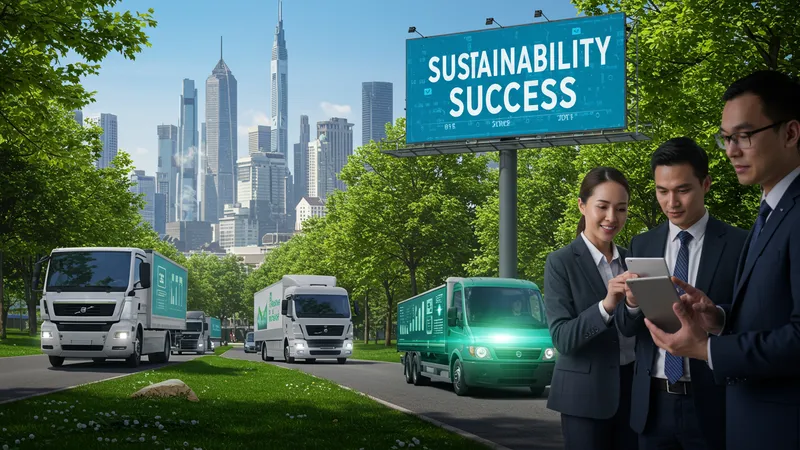
Fleet managers often underestimate carbon footprints, yet eco-friendly policies are gaining traction. Simple habits like regular vehicle maintenance and adopting fuel-efficient driving techniques are reducing emissions drastically. It’s a revolution in clean operation practices—but the surprises don’t stop there.
Many companies are introducing hybrid or fully electric vehicles into their fleet arsenals. This move is not just about staying ahead of industry trends—it's a strategic advantage. The initial investment often pays back threefold in energy savings and corporate perception benefits. And there are even more investments to consider…
With urban air quality becoming a pressing concern, businesses taking proactive environmental actions are gaining favorable attention. As the world shifts towards greener initiatives, transportation companies are set to play a pivotal role in our planet’s future. What’s around the corner might redefine their motivations entirely…
Traditional GPS is just the tip of the iceberg in effective fleet management. Companies deploying advanced telematics experience a transformative approach to tracking and decision-making processes. It seems simple, but it has profound implications.

With advancements like geofencing, managers can automate arrival and departure logs, ensuring precise timing and accountability. This level of automation unburdens administrative tasks, allowing for smoother operations. However, there’s something even more remarkable awaiting those who delve deeper.
Predictive analytics can forecast the best time for maintenance before actual breakdowns, leveraging historical data trends. This proactive approach reduces unexpected downtimes and maximizes asset utilization. For the discerning entrepreneur, this translates to a significant competitive edge.
And as communication technologies evolve, real-time updates and monitoring become increasingly accessible. The benefits are twofold: ensuring smooth operations and enhancing customer satisfaction with precise ETAs. The next step in this evolution may forever change logistic dynamics…
Today's technology offers incredible tools that are reshaping how fleets operate. AI-powered software can provide instant insights, transforming raw data into actionable intelligence. These tools are redefining the contours of fleet management in ways previously unimaginable.

By leveraging integrated fleet management systems, companies streamline their operations across multiple levels. These systems offer comprehensive dashboards with key performance indicators in one place, drastically reducing the need for disparate software tools. But their value doesn’t just stop with time efficiency.
The use of blockchain for securing transaction authenticity is another emerging trend, offering immutable data records. This technology is set to enhance transparency and trust within logistics ecosystems, paving the way for more robust operational protocols.
And the ease with which these innovations are being adopted shows a promising upward trajectory. Fleets are becoming testbeds for broader technological adoptions, setting the pace for industries beyond transportation as well. There’s yet another innovation poised to disrupt the field further…
In an industry considered by many as traditional, pioneering strategies are leaving marks of disruption. Industry leaders are no longer hesitating to adapt and innovate, pulling ahead by leveraging unique solutions.

Consortium-driven innovation initiatives allow companies to benefit from shared resources and knowledge bases, cultivating a fertile ground for breakthrough ideas. Those engaging in cooperative competition see enhanced innovation funnels and economies of scale. But mostly, the evolving narrative is about mindset shifts.
Inclusion of AI in fuel optimization, driver safety, and dispatch logistics demonstrates how forward-thinkers operate—crafting reactive to predictive strategies. These decisions place such companies in prime positions, not only in terms of revenue but in defining the future of the sector.
Forward-thinking leaders are not just transforming operations but are shaping new industry standards. As these changes propagate through supply chains, they set practices others will inevitably follow. An unexpected twist, however, could change the trajectory for everyone involved—watch this space closely…
AI in fleet management brings precision and anticipation to the front, changing operational dynamics entirely. Predicting vehicle conditions, optimizing routes in real-time—these aren't dreams anymore but daily realities sweeping across the industry.

Machine learning algorithms give operators new insights into complex datasets, unveiling patterns that enhance operational efficiencies. It's the kind of evolution delivering value where only guesses existed before. And it's about time the rest of the industry caught on.
Self-learning modules further allow systems to adapt and improve, evolving in step with their environments. Such capabilities are making fleets more adaptable, agile, and significantly more competitive. But there's another potential application raising even more eyebrows.
AI's integration into customer service platforms is creating seamless, reliable communication channels. These services offer quick issue resolutions and satisfaction guarantees. The ripple effect of such integrations might redefine client expectations across all fleet-dominated sectors soon.
Drivers face unique challenges that aren't always apparent, but recognizing these hidden hurdles is critical for sustained success. Fleet managers are discovering that these unseen barriers often impact performance more than visible factors.
Working efficiently under pressure without sacrificing safety is a significant challenge, highlighting the importance of nurturing company culture to support drivers thoroughly. This concept, while old, is carving out strong, durable team dynamics today like never before.
Financial complications, such as unreported costs, often dwarf achievable profit margins. Leveraging comprehensive budget-tracking tools is a must, offering the leverage needed to sustain sound fiscal strategies. These issues are widespread but surmountable with awareness.
The underappreciated angle? Teaching teams to identify problems early on. Developing proactive risk management protocols leads to substantial performance elevations, mitigating stresses before they manifest. This approach is shifting paradigms across the board.
From logistics to technology, reimagining efficacy is imperative. The industry is at a crossroads, facing pressures to evolve and redefine what effective transportation truly means against changing consumer expectations.
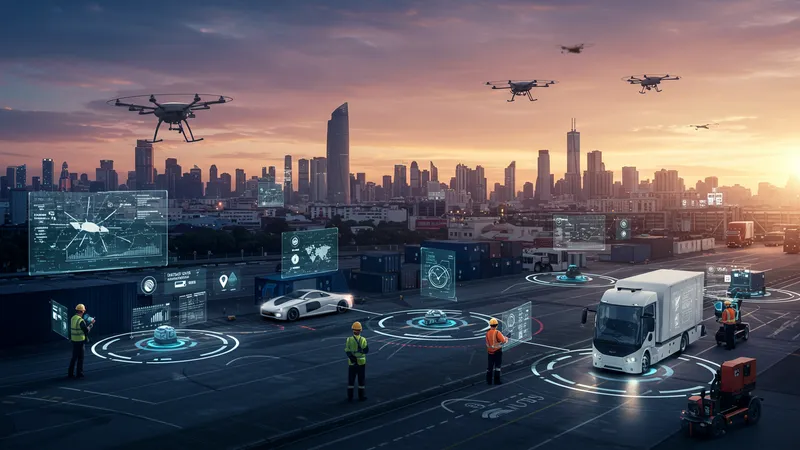
Operational overhauls involve more than updating software. It's about fostering fluid systems that adapt seamlessly to emerging needs, using tech as a vital tool but not the sole focus. However, many are still catching up—silos remain resolute, slowing progress.
Realz-time data collection has replaced static reporting, offering insights previously unimaginable. It’s this shift modernizing methods and setting new pathways forward, ensuring companies remain relevant amid ceaseless disruptions.
Fostering a communal push towards shared goals over individual success stories is pivotal. Collaborators unite, harnessing varied expertise to spearhead industry excellence. The unfolding narrative ensures stakeholders are not just participants but champions of innovation.
The push for green fleets is accelerating, with companies navigating the shift towards electric and hybrid vehicles. The emphasis isn't just environmental but also includes operational gains, reshaping the transit landscape profoundly.
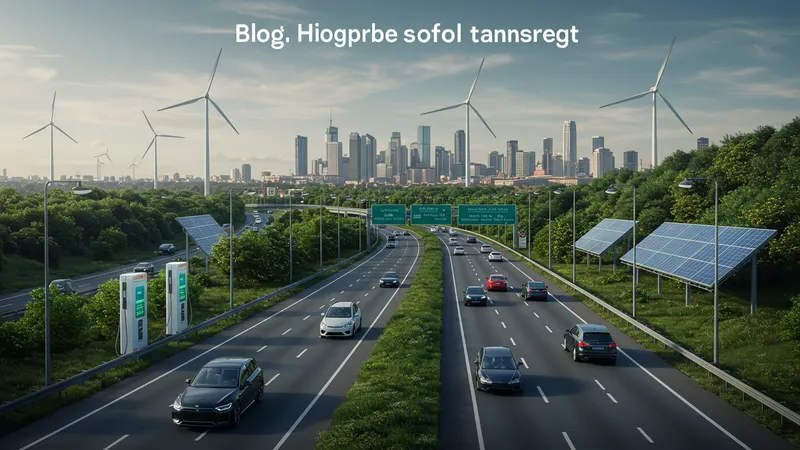
While eco-investments currently demand substantial outlays, operational cost reductions with time make them an intelligent financial choice. Companies holding back might soon find themselves obsolescent, with regulatory pressures reinforcing this directional shift.
Infrastructure for electric fleets is still catching up; yet early adopters are reaping brand-building benefits, finding favor among environmentally conscious clients. It's a space poised for expansive future growth, more than just an optimistic notion.
This sentiment sees further backing from technological synergies that optimize eco-performance. These initiatives offer a glimpse into future industry staples, with impressively swift returns on green investment suggesting lucrative tenets of a cleaner approach.
For companies scrutinizing fleet expenses, unexpected wins come with digital fleet reform. Savings realized extend beyond obvious budgetary lines, impacting company culture and competitiveness in eye-opening ways.

Augmented reliability through better oversight makes for smoother operations and invigorated employee engagement. The process encourages a culture of transparency that inspires innovation stretch targets while preserving safety structures.
This openness acknowledges workforce congestion and permits more meaningful roles. As teams find constructive flexibility, efficiency emerges as a byproduct; a remarkable result few initially predicted. And yet, it's merely part of the evolution.
Data-driven decision-making reimagines future economic priorities. Confidence is restored, and the trajectory molds agile, sustainable paths leading to freshly defined success. While seemingly unconventional, strategies align stakeholder intentions intimately.
Implementing sweeping changes demands foresight, resilience, and agility. Traditional mindsets face challenges, confronted by novel perspectives influencing management styles. This evolution encourages leaders to act decisively.

Outlined visions should transitioning beyond visions into palpable reality. Starting small yet proceeding with purpose encourages builds enduring frameworks, encouraging innovation within structured boundaries—a blend that’s setting industry models.
Collaboration replaces outdated competition methods, enabling innovation through reliance on collective wisdom. Engage partners with fresh eyes; it redefines interactions building new engagements that strengthen mutual market positions.
This transformative approach bolsters robust landscapes supporting adaptable operations. Thus, visionaries create influential movements worth noting, opening corridors for cooperative growth, engendering cross-sector vitality—some boundaries are meant to be traversed fervently.
To truly harness fleet management efficiencies, companies must tackle enduring logistical barriers. Where friction persists, redesigning processes forms the basis of smoother, strategically aligned practices.

Collaboration at this level demands industry-centric convergence. Acting alone perpetuates isolated improvements at best, failing to capitalize on collective labor pools, potential resources, and technological prowess.
Aligning logistics with digital trends demands more than cursory digital transformations. Detailed, integrated processes represent boundless potential anchoring comprehensive overhauls bridging physical and digital hurdles previously distinct.
In turn, successful logistics symposiums blend these elements’ facets—fostering sustained optimization through shared evidence-based practices aiming at refined operational paradigms. The result transitions beyond mere acceptance, with vibrant adaptation leading the charge.
Fleet management is not just evolving; it's revolutionizing the way transportation is perceived and executed. With the convergence of technology, environmental consciousness, and innovative business models, the industry stands on the cusp of unprecedented change. Those willing to adapt and embrace these shifts are positioned for success as leaders rather than followers.
Stay engaged, implement the insights from this exploration, and witness your fleet's efficiency skyrocket. Share this article if you found inspiration, and bookmark it as a roadmap toward innovation and operational brilliance. The future of fleet management holds more surprises—be part of the movement.